What Is Fine Art Photography? Why It's Worth More Than Standard Prints
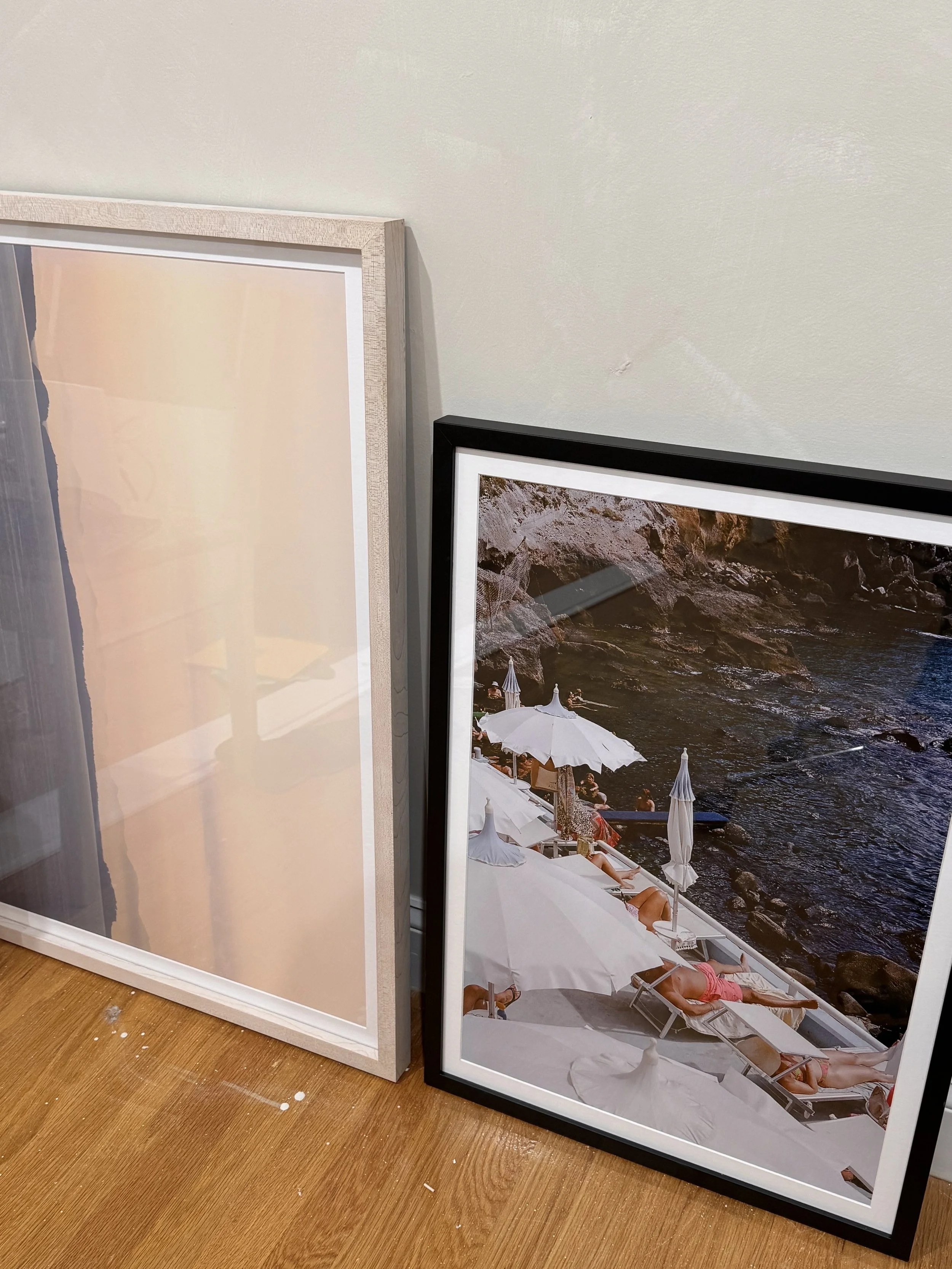
If you've ever stood in front of a large-format nature photograph and felt something shift in you — a sense of calm, wonder, or longing — you've already experienced what fine art photography does.
If you're an interior designer or home decor buyer wondering why fine art prints carry a higher price tag than a poster from a big-box store, this guide is for you.
What Is Fine Art Photography?
Fine art photography is photography created as a form of artistic expression — not to document an event, sell a product, or report the news. It is driven by the photographer's vision, intention, and creative voice.
Unlike commercial photography (which serves a client's brief) or stock photography (designed to be generic and widely reusable), fine art photography is born from a deeply personal relationship between the artist and their subject.
In landscape and nature photography specifically, fine art means the photographer isn't simply pointing a camera at a beautiful scene. They are:
- Seeking a specific quality of light — often waking before dawn or waiting hours for a fleeting moment
- Composing with intention — using leading lines, negative space, and foreground interest to draw the viewer in
- Processing with artistry — applying a signature editing style that reflects a singular creative vision
- Printing with precision — choosing archival papers, inks, and substrates that honor the image for generations
The result is a photograph that transcends documentation. It becomes a piece of art.
Fine Art Photography vs. Standard Prints
Here's a direct comparison of what separates a fine art print from a standard print:
| Fine Art Print | Standard Print | |
|---|---|---|
| Image origin | Original, artist-driven work | Stock, mass-produced, or generic |
| Print medium | Archival fine art paper or crystal archive | Basic photo paper or poster stock |
| Inks | Museum-quality pigment inks (100+ year fade resistance) | Dye-based inks (fade in 5–25 years) |
| Edition size | Limited (numbered, signed) | Unlimited reproductions |
| Artist involvement | Hands-on at every stage | None after upload |
| Longevity | 100–200 years | 5–25 years |
| Value over time | Can appreciate | Depreciates immediately |
| Room impact | Commanding, conversation-starting | Decorative, forgettable |
The difference isn't just aesthetic — it's structural, material, and meaningful.
"The right fine art print doesn't just decorate a room — it transports you back to the moment you felt most at ease."
Why Fine Art Landscape Photography Elevates Interior Spaces
Interior designers have long known what science is now confirming: nature imagery has measurable psychological benefits — reducing cortisol, lowering perceived stress, and improving mood. That's a powerful tool for any space you're designing.
Creates a Focal Point
A large-format fine art landscape anchors a room and gives the eye somewhere to land — doing what furniture and paint rarely can alone.
Brings the Outdoors In
Fine art nature photography is the most direct way to achieve biophilic design — especially in spaces where windows don't face the shore.
Tells a Story
A fine art photograph is a story. A limited edition print transforms a decorating choice into a conversation piece that reflects your taste.
Holds Its Value
Unlike fast-fashion home decor, a fine art limited edition doesn't depreciate the way a poster or mass-market print does.
What Makes a Fine Art Print Worth the Investment
The Moment Is Unrepeatable
Every image in a fine art photography collection represents hours — sometimes years — of pursuit. The photograph you're buying may have required arriving before dawn, waiting through weeks of flat light, or returning to the same location across seasons to capture that exact moment. That patience and dedication are part of what you're acquiring.
The Materials Are Museum-Grade
Fine art prints are produced on archival-quality substrates — Fuji Crystal Archive paper, cotton rag, aluminum dibond, or acrylic face-mounts — using pigment-based inks rated for 100 to 200 years of fade resistance. When framed and displayed properly, a fine art print will outlast every other decorating choice in the room.
The Edition Is Limited
Each fine art print is released as a limited edition — a fixed number of prints at any given size. Once an edition sells out, it's closed. This scarcity is intentional: it protects the value of every collector's piece and maintains the integrity of the work.
The Print Is Signed and Certified
A fine art photograph comes with a certificate of authenticity signed by the artist, documenting the edition number, print size, substrate, and date of production. This matters for insurance, resale, and provenance.
How to Choose the Right Fine Art Print for a Space
Scale First
Fine art photography is most impactful when sized appropriately for the wall. As a general rule, the print should occupy 60–75% of the wall width it anchors. Beach houses with generous wall space can go bigger than you think — from 8x12" for shelves and smaller rooms, up to 40x60" for rooms that deserve a true statement.
Match the Mood, Not the Color
The best fine art pairings aren't about matching colors exactly — they're about complementary mood and tone. Soft coastal imagery works beautifully in warm-toned rooms precisely because of contrast. Trust the emotional register of the image over strict color matching.
Keep Framing Consistent
If you're styling multiple rooms, consistent framing — all white, all natural wood, or all black — creates a cohesive look without feeling matchy-matchy. Let the photographs vary in subject and composition while the frames unify the collection.
Think About Lighting
Fine art landscape prints reward good lighting. A picture light or directed track lighting transforms a print from beautiful to breathtaking. Factor this into the installation plan from the start.
Frequently Asked Questions
What does "limited edition" mean for fine art prints?
A limited edition means the artist commits to printing no more than a specified number of that image at that size. Once the edition is sold out, no additional prints are made. Each print is numbered (e.g., 7/25) and signed by the artist.
How long will a fine art print last?
When produced with archival materials and displayed away from direct sunlight, fine art prints are rated to last 100–200 years without significant fading — far exceeding standard photo prints or posters.
Can I get a custom size for my space?
Yes — prints are available in a range of sizes from 8x12" to 40x60". If you're working on a specific interior project and need a custom size or trade pricing, please reach out directly to discuss.
How should a fine art print be framed and hung?
Use UV-protective glazing if framing, and avoid direct sunlight and extreme humidity fluctuations. White frames work beautifully for coastal interiors. Metal and acrylic prints can often be hung unframed with standoff hardware for a clean, gallery-modern look.
Do fine art prints appreciate in value?
Limited edition prints by established photographers can appreciate over time, particularly as editions sell out. Fine art prints hold their value far better than standard decorative prints or posters.
Ready to Find the Right Piece for Your Space?
My landscape and nature photography collection features limited edition fine art prints in sizes from 8x12" to 40x60" — each produced on museum-quality archival materials, signed, numbered, and shipped with a certificate of authenticity.
